














The April 12 feast is closely connected to the Easter mystery. While Easter celebrates Christ’s victory over sin and death, Divine Mercy Sunday emphasizes the gift made possible through that victory — God’s limitless mercy available to all.
By Fr. Angelo Casimiro, MIC
Each year, on the Sunday following Easter (the octave day of Easter), the Church celebrates Divine Mercy Sunday, a feast that highlights Christ’s boundless love and forgiveness.
Rooted in the Church’s reflection on the Resurrection, this celebration invites the faithful to trust more deeply in Jesus and to extend His mercy to others. Promoted through the revelations received by St. Faustina Kowalska and spread by the Marian Fathers of the Immaculate Conception, Divine Mercy Sunday serves as a powerful reminder of God’s infinite love and compassion.
Christ’s victory
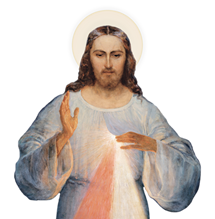
The establishment of Divine Mercy Sunday as a universal feast for the Catholic Church was announced by Pope St. John Paul II in the Great Jubilee 2000 during the canonization of St. Faustina. The impetus for its establishment, however, traces back to the 1930s when St. Faustina reported private revelations from Jesus.
In her diary, Divine Mercy in My Soul, St. Faustina recorded Christ’s request that the Sunday after Easter be declared the Feast of Mercy.
The feast is closely connected to the Easter mystery. While Easter celebrates Christ’s victory over sin and death, Divine Mercy Sunday emphasizes the gift made possible through that victory — God’s limitless mercy available to all. Jesus told St. Faustina, “On that day the very depths of My tender mercy are open. I pour out a whole ocean of graces upon those souls who approach the fount of My mercy” (Diary, 699).
Extraordinary graces
Divine Mercy Sunday offers a special opportunity for spiritual renewal. Jesus revealed to St. Faustina that those who go to Confession, receive Holy Communion, and place their trust in His mercy can receive the complete remission of sins and punishment, in other words, a complete renewal of baptismal grace in the soul. This extraordinary gift reflects God’s deep desire to reconcile every person to Himself.
The message of Divine Mercy speaks directly to the human heart. In a world often marked by division, guilt, and discouragement, this Feast reminds believers that God’s mercy is greater than any sin or failure. The central message of the devotion is trust in Jesus and the call to show mercy to others.
Divine Mercy Sunday strengthens hope, especially for those who struggle with feelings of unworthiness or doubt about God’s forgiveness. Jesus told St. Faustina, “The greater the sinner, the greater the right he has to My mercy” (Diary, 723). This message does not minimize sin but instead reveals God’s desire to heal and restore those who turn to Him.
The feast also strengthens the Christian mission. Experiencing God’s mercy transforms hearts and encourages believers to practice compassion in daily life. Devotion to Divine Mercy extends beyond personal spirituality and calls individuals to demonstrate mercy through kindness, forgiveness, and service to others.
Preparations
There are several meaningful ways to observe Divine Mercy Sunday. Preparation through prayer and Confession (which can take place before the actual day of the Feast) is crucial. Many people participate in the Divine Mercy Novena, which begins on Good Friday and concludes on Divine Mercy Sunday. The novena encourages reflection on Christ’s Passion and helps prepare our hearts to receive His mercy.
Participation in Mass and reception of Holy Communion on Divine Mercy Sunday are central to the celebration. Approaching the Eucharist with sincere repentance and trust opens the soul to the graces promised by Jesus through St. Faustina’s revelations.
Praying the Divine Mercy Chaplet is another powerful devotion associated with the Feast. The Chaplet focuses on offering Christ’s sacrifice to the Father and asking mercy for the entire world. Many parishes also hold special Holy Hours, Eucharistic Adoration, or communal recitation of the Chaplet at 3 p.m., known as the Hour of Great Mercy, which commemorates the time of Jesus’ death on the Cross.
More than a day
Ultimately, Divine Mercy Sunday is more than a single day of devotion; it is a call to a lifelong relationship with Christ rooted in trust. Through the message entrusted to St. Faustina, the Church reminds believers that God’s mercy is inexhaustible. By celebrating this Feast with sincere faith, Christians open their hearts to healing grace and become instruments of mercy in the world.
Visit TheDivineMercy.org/celebrate to learn more about Divine Mercy Sunday, April 12, and to prepare yourself, your parish, and your community to receive all the graces God wants to give us.
{shopmercy-ad}
