















Jun
20
2007
0
By Anonymous (not verified)
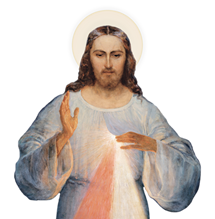
"Jesus, I Trust in You" are the words that the Lord asked to be inscribed at the bottom of the Image. Our Lord said, "The more a soul trusts, the more graces it will receive" (1578*).
1. What is trust, and why is it so important to trust in Jesus? Why the inscription: "Jesus, I Trust in You" at the bottom of the Image?
Trust in Jesus is the essence of the message of mercy. It denotes confidence in and a reliance on God. The Lord told St. Faustina, "Tell [all people], My daughter, that I am Love and Mercy itself. When a soul approaches Me with trust, I fill it with such an abundance of graces that it cannot contain them within itself, but radiates them to other souls" (1074).
It is also important to note the way the signature reads at the bottom of the Image. It does not say, "Jesus, we trust in You," but "Jesus, I trust in You." It is meant to be personal. Through this Image, Jesus calls each person by name, as an individual soul, precious in His sight and He asks for a personal response of trust, each and every day.
2. Why trust? Whom do we trust?
Having trust in God does not mean that we will not have trials. It does not mean that all our prayers will be answered in the way we want. It does mean that we place our confidence in God when we are faced with adversity. Trust is easy when things are going well. It is in time of trial that our faith is put to the test.
3. Is it hard to trust God?
Trust is more than mere words or a simple emotion; it is a conviction
Jesus told St. Faustina: "I desire that these [the souls striving for perfection] distinguish themselves by boundless trust in My mercy. I myself will attend to the sanctification of such souls. I will provide them with everything they will need to attain sanctity. The graces of My mercy are drawn by means of one vessel only, and that is - trust. The more a soul trusts, the more it will receive. Souls that trust boundlessly are a great comfort to Me, because I pour all the treasures of My graces into them. I rejoice that they ask for much, because it is My desire to give much, very much. On the other hand, I am sad when souls ask for little, when they narrow their hearts" (1578).
4. Is it possible to have trust without humility?
Trust requires humility. The proud person, lacking humility, feels accomplishments are of his own doing and sees no need to trust in God. But trusting in oneself and not in the Lord will only lead to our own failure."Unless the Lord builds the house, those who build it labor in vain" (Ps 127:1).
5. Why is trust in God incompatible with fear, anxiety, or discouragement?
Jesus told St. Faustina, "My child, know that the greatest obstacles to holiness are discouragement and an exaggerated anxiety. They will deprive you of the ability to practice virtue. All temptations united together ought not to disturb your interior peace, not even momentarily" (1488). Fear, anxiety and discouragement are incompatible with an abiding trust in God.
Trust is paramount in living the message of mercy. God's love is unconditional. Trusting and accepting God's mercy heals broken, rejected hearts and restores human dignity.
6. Why is trust important in the Sacrament of Reconciliation?
The Lord wants us to trust in His mercy when we sin and falter, so that we may not despair. Many carry guilt, anger, shame, and lack of forgiveness in our souls. We question, "Is it possible for God to forgive me for all that I have done?"
The confessional is the place where the greatest miracles occur. Often we get discouraged as we repeat the same sins over and over again. Yet God does not "ration out" a certain number of pardons. He keeps forgiving. In a powerful testimony of His mercy and forgiveness, St. Faustina recalled,
"On the evening of the last day before my departure for Vilnius, an elderly sister revealed the condition of her soul to me. She said that she had already been suffering interiorly for several years, that it seemed to her that all her confessions had been bad, and that she had doubts as to whether the Lord Jesus had forgiven her. I asked her if she had ever told her confessor about this. She answered that she had spoken many times about this to her confessors and...'the confessors are always telling me to be at peace, but still I suffer very much, and nothing brings me relief, and it constantly seems to me that God has not forgiven me.' I answered, 'You should obey your confessor, Sister, and be fully at peace, because this is certainly a temptation.'
"But she entreated me with tears in her eyes to ask Jesus if He had forgiven her and whether her confessions had been good or not. I answered forcefully, 'Ask Him yourself, Sister, if you don't believe your confessors!' But she clutched my hand and did not want to let go until I gave her an answer, and she kept asking me to pray for her and let her know what Jesus would tell me about her. Crying bitterly, she would not let me go and said to me, 'I know that the Lord Jesus speaks to you, Sister.' Since she was clutching my hand and I could not wrench myself away, I promised her I would pray for her. In the evening, during Benediction, I heard these words in my soul: 'Tell her that her disbelief wounds My heart more than the sins she committed.' When I told her this, she began to cry like a child, and great joy entered her soul. I understood that God wanted to console this soul through me. Even though it cost me a good deal, I fulfilled God's wish" (628).
* References without a source listed with the number are taken from the Dairy of Saint Maria Faustina.
1. What is trust, and why is it so important to trust in Jesus? Why the inscription: "Jesus, I Trust in You" at the bottom of the Image?
Trust in Jesus is the essence of the message of mercy. It denotes confidence in and a reliance on God. The Lord told St. Faustina, "Tell [all people], My daughter, that I am Love and Mercy itself. When a soul approaches Me with trust, I fill it with such an abundance of graces that it cannot contain them within itself, but radiates them to other souls" (1074).
It is also important to note the way the signature reads at the bottom of the Image. It does not say, "Jesus, we trust in You," but "Jesus, I trust in You." It is meant to be personal. Through this Image, Jesus calls each person by name, as an individual soul, precious in His sight and He asks for a personal response of trust, each and every day.
2. Why trust? Whom do we trust?
Having trust in God does not mean that we will not have trials. It does not mean that all our prayers will be answered in the way we want. It does mean that we place our confidence in God when we are faced with adversity. Trust is easy when things are going well. It is in time of trial that our faith is put to the test.
3. Is it hard to trust God?
Trust is more than mere words or a simple emotion; it is a conviction
Jesus told St. Faustina: "I desire that these [the souls striving for perfection] distinguish themselves by boundless trust in My mercy. I myself will attend to the sanctification of such souls. I will provide them with everything they will need to attain sanctity. The graces of My mercy are drawn by means of one vessel only, and that is - trust. The more a soul trusts, the more it will receive. Souls that trust boundlessly are a great comfort to Me, because I pour all the treasures of My graces into them. I rejoice that they ask for much, because it is My desire to give much, very much. On the other hand, I am sad when souls ask for little, when they narrow their hearts" (1578).
4. Is it possible to have trust without humility?
Trust requires humility. The proud person, lacking humility, feels accomplishments are of his own doing and sees no need to trust in God. But trusting in oneself and not in the Lord will only lead to our own failure."Unless the Lord builds the house, those who build it labor in vain" (Ps 127:1).
5. Why is trust in God incompatible with fear, anxiety, or discouragement?
Jesus told St. Faustina, "My child, know that the greatest obstacles to holiness are discouragement and an exaggerated anxiety. They will deprive you of the ability to practice virtue. All temptations united together ought not to disturb your interior peace, not even momentarily" (1488). Fear, anxiety and discouragement are incompatible with an abiding trust in God.
Trust is paramount in living the message of mercy. God's love is unconditional. Trusting and accepting God's mercy heals broken, rejected hearts and restores human dignity.
6. Why is trust important in the Sacrament of Reconciliation?
The Lord wants us to trust in His mercy when we sin and falter, so that we may not despair. Many carry guilt, anger, shame, and lack of forgiveness in our souls. We question, "Is it possible for God to forgive me for all that I have done?"
The confessional is the place where the greatest miracles occur. Often we get discouraged as we repeat the same sins over and over again. Yet God does not "ration out" a certain number of pardons. He keeps forgiving. In a powerful testimony of His mercy and forgiveness, St. Faustina recalled,
"On the evening of the last day before my departure for Vilnius, an elderly sister revealed the condition of her soul to me. She said that she had already been suffering interiorly for several years, that it seemed to her that all her confessions had been bad, and that she had doubts as to whether the Lord Jesus had forgiven her. I asked her if she had ever told her confessor about this. She answered that she had spoken many times about this to her confessors and...'the confessors are always telling me to be at peace, but still I suffer very much, and nothing brings me relief, and it constantly seems to me that God has not forgiven me.' I answered, 'You should obey your confessor, Sister, and be fully at peace, because this is certainly a temptation.'
"But she entreated me with tears in her eyes to ask Jesus if He had forgiven her and whether her confessions had been good or not. I answered forcefully, 'Ask Him yourself, Sister, if you don't believe your confessors!' But she clutched my hand and did not want to let go until I gave her an answer, and she kept asking me to pray for her and let her know what Jesus would tell me about her. Crying bitterly, she would not let me go and said to me, 'I know that the Lord Jesus speaks to you, Sister.' Since she was clutching my hand and I could not wrench myself away, I promised her I would pray for her. In the evening, during Benediction, I heard these words in my soul: 'Tell her that her disbelief wounds My heart more than the sins she committed.' When I told her this, she began to cry like a child, and great joy entered her soul. I understood that God wanted to console this soul through me. Even though it cost me a good deal, I fulfilled God's wish" (628).
* References without a source listed with the number are taken from the Dairy of Saint Maria Faustina.
