













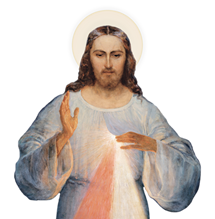


An image of Carlo Acutis was unveiled at his beatification Mass in Assisi, Italy Oct. 10, 2020. The teenager will be canonized on April 27. Credit: Daniel Ibanez/CNA
The Jubilee asks of us to renounce indifference and foster solidarity with those who are suffering. We may not be able to solve their difficulties, but we can always love them, which is the best medicine for their burdens.
In April, the Church celebrates the height of her liturgical year: Holy Week, the Easter Triduum, and Divine Mercy Sunday. This year, the Jubilee of Hope includes three particular Jubilee celebrations: Jubilee of the Sick and Healthcare Workers (April 5-6); Jubilee of Teenagers (April 25-27); and the Jubilee of People With Disabilities (April 28-29).
Let us take a brief look at each of these.
Sick and healthcare workers
All of us have experienced some form of illness, as well as the care of others in times of sickness. Healthcare workers continue Jesus’ mission of love and healing, which aims not only at alleviating physical pain, but also confirming others in their identity as a sacred gift. Their work extends beyond the practical and extends into the spiritual dimension of the heart, touching others with Christ’s love.
We applaud the work of Healthcare Professionals for Divine Mercy, an apostolate of the Marian Fathers, and its mission to integrate the spirituality and devotional elements of the Divine Mercy message in patient care.
While those who work in healthcare do so in a continual manner, all of us are to be signs of hope for the sick. Even without the expertise of training, we can allay their suffering through our closeness and affection which recognizes their human dignity. For God’s mercy reaches us through others — both in Sacrament and in daily life. Through our tenderness, others can feel God’s compassion during the uncertainty of illness, providing them strength and peace.
The Jubilee asks of us to renounce indifference and foster solidarity with those who are suffering. We may not be able to solve their difficulties, but we can always love them, which is the best medicine for their burdens.
Teenagers
Whether we are teenagers now or have passed that age already, we know how rapidly the world around us changes. We also experience how we ourselves change and so recognize our need for a strong foundation in a bewildered and anxious world. In the face of the challenges and struggles of life, our anchor of hope is in Christ and His Gospel. He offers joy, strength, and peace even amid suffering.
We may be tempted to look for a better life by going after what the world offers as a solution. But the many young saints — including Carlo Acutis who will be canonized on Divine Mercy Sunday, April 27 — witness to holiness lived in our modern era.
The youth are called in a unique way in this Jubilee to give witness that Christ is our firm hope among the tumult of life and the anxieties of our human hearts. For parents, this Jubilee celebration invites them to be attentive to the worries and questions of their teenagers’ hearts. They are called to witness to Christ as the joyful answer to their difficulties and be patient with their children as they pass through such difficult years.
Of people with disabilities
The disabled, like those who are ill, make us face the reality of suffering and death. They beckon us to break down barriers that prevent solidarity and communion. Just as the Father loves us with His tender, unconditional love, we are called to do the same and witness to that love with everyone in their moment of need. We are called, not only to tend to them, but also to foster their dignity by welcoming them, their talents, and their gifts into our communities.
For hope to be authentic, we must desire a better life not only for ourselves according to our dreams, but also a life for others who may be prevented from attaining such dreams. But together, we can hope for the Kingdom, which is beyond all that we could ask or imagine for ourselves and others.
Saint Faustina’s example
In April, we also celebrate the 25th anniversary of the canonization of St. Faustina Kowalska (1905-1938). Her life — as recounted in the Diary — shows us how God desires to reveal His mercy to our broken world through concrete signs and words. We are called to embody the hope that Christ offers us by receiving and then sharing His mercy with those who are in need.
{shopmercy-ad}
